NW3 Student Removals Near Hampstead Heath Swiss Cottage: A Practical Guide for a Smooth Move
Moving as a student in NW3 can feel oddly big for such a short trip. One minute you are packing mugs, textbooks, and a half-broken desk lamp; the next you are trying to work out how to get everything out of a flat near Hampstead Heath, around Swiss Cottage traffic, and into a new place without losing your deposit or your patience. If you are looking into NW3 student removals near Hampstead Heath Swiss Cottage, this guide breaks down what to expect, how the process works, what to watch out for, and how to make the move feel manageable rather than chaotic.
Truth be told, student moves are rarely about huge furniture and polished planning. They are about timing, stairs, narrow hallways, awkward parking, and a pile of stuff that seems to multiply overnight. The good news? With the right approach, even a busy London move can be pretty straightforward.
Quick practical takeaway: the best student removals are usually the ones that are planned early, packed clearly, and sized properly for the route, the access, and the amount you actually own.
Table of Contents
- Why NW3 student removals near Hampstead Heath Swiss Cottage Matters
- How NW3 student removals near Hampstead Heath Swiss Cottage Works
- Key Benefits and Practical Advantages
- Who This Is For and When It Makes Sense
- Step-by-Step Guidance
- Expert Tips for Better Results
- Common Mistakes to Avoid
- Tools, Resources and Recommendations
- Law, Compliance, Standards, or Best Practice
- Options, Methods, or Comparison Table
- Case Study or Real-World Example
- Practical Checklist
- Conclusion
- Frequently Asked Questions
Why NW3 student removals near Hampstead Heath Swiss Cottage Matters
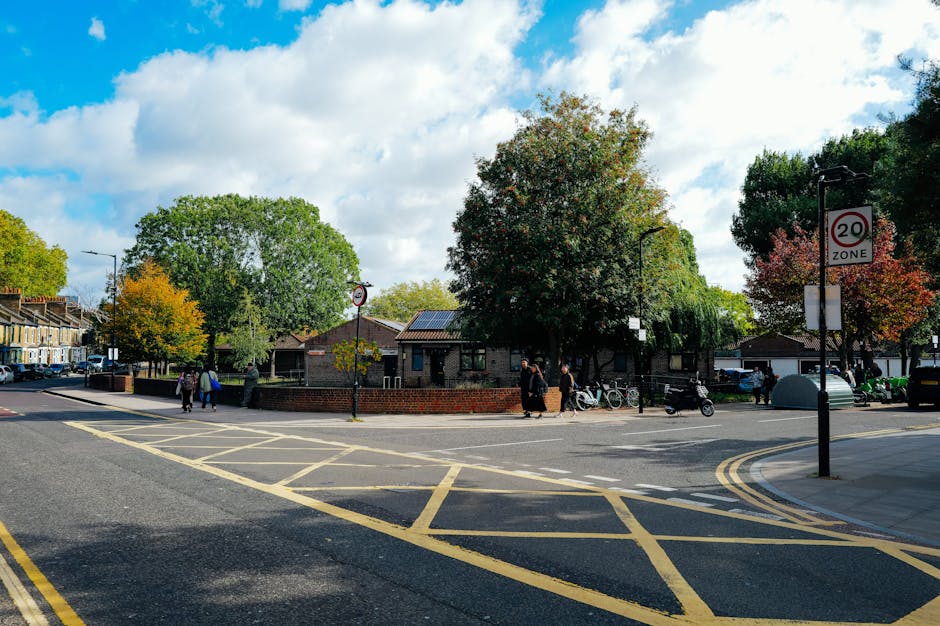
NW3 is a part of London where logistics matter more than people sometimes expect. Streets can be busy, parking can be tight, and access to buildings may involve stairs, narrow entrances, or a short walk from where the vehicle can stop. Around Hampstead Heath and Swiss Cottage, that can quickly turn a simple move into a longer day if you have not planned properly.
This matters even more for students because the move is often time-sensitive. You may be leaving accommodation at the end of term, moving between term-time lets, or shifting shared household items with flatmates who all seem to be moving at once. That overlap can create a real bottleneck. A removal plan that suits a family house move may be far too much for a student move, while a quick car run may be nowhere near enough for someone with a bed, bike, boxes, and a small jungle of books.
There is also the practical side of local life. Swiss Cottage has busy roads and steady footfall, while Hampstead Heath brings its own quirks with residential streets and limited waiting room. When a move takes longer than expected, small issues start stacking up: a hallway blocked with boxes, one missing key, a van that cannot wait, or rain that appears out of nowhere because London likes a bit of drama.
So yes, it matters. Getting student removals right in NW3 can save time, reduce stress, protect your belongings, and help you hand the property back in better condition. That last part is not glamorous, but it often makes a difference.
How NW3 student removals near Hampstead Heath Swiss Cottage Works
At a practical level, student removals usually follow a fairly simple pattern. The exact service can vary, but the process often includes a survey of what needs moving, a discussion of access and timing, packing or collection of items, transport, and delivery to the new address. If you are moving locally within NW3, the whole thing may be done in a single run. If you are moving further across London or out of the city, it may involve a fuller schedule and more careful planning.
In our experience, the biggest difference is not just the distance. It is how much stuff you have, where it is located, and how easy it is to move in and out. A student on the third floor with no lift and a narrow stairwell will need a different approach from someone in a ground-floor flat with clear front-door access. Simple enough, but this is where people get caught out.
Here is the usual shape of the process:
- Initial review: You list the items, rooms, or boxes that need moving.
- Access check: The route, parking, stairs, and lift availability are considered.
- Vehicle sizing: The right van or collection method is matched to the load.
- Packing and protection: Fragile items are wrapped, boxed, or separated safely.
- Loading and transit: Items are moved efficiently and secured in the vehicle.
- Delivery and placement: Boxes are unloaded and placed where needed.
That sounds tidy on paper. Real life is a little messier. Someone forgot the extension lead. The guitar is still in the cupboard. The bike is locked to railings round the corner. These things happen. A good removal setup accounts for the human side of moving, not just the items on the list.
If you are comparing broader moving support, it can help to read related service information such as house removals and office removals to understand how different move types are typically handled.
Key Benefits and Practical Advantages
Student removals are not just about getting things from one postcode to another. Done well, they make the whole transition less tiring and far less risky. That is especially useful in a place like NW3, where moving conditions can be a bit more demanding than they first appear.
1. Less strain on your time
Students often juggle moves around lectures, deadlines, part-time work, or travel plans. A structured removals service can compress what might otherwise be a long, exhausting day into something much more manageable. That breathing room matters.
2. Better handling of awkward items
Even small student moves can include awkward bits: monitors, bikes, small bookcases, speakers, desk chairs, mirrors, and too many bags for one person to carry safely. Professional handling reduces the chance of damage and that awful moment when something slips on the stairs.
3. More suitable for local access constraints
NW3 has pockets where parking and loading can be tricky. A move that is planned around access is much less likely to stall halfway through. That is a practical advantage people only really appreciate after the first rain shower or parking delay.
4. Lower stress for shared moves
Student house shares can be a mess of different schedules and belongings. A coordinated move helps avoid the "whose box is this?" problem and makes the handover cleaner. To be fair, that alone can be worth it.
5. Better chance of keeping your deposit intact
Careful handling and organised timing help you avoid scratched floors, wall knocks, and accidental damage. It is never just about transport; it is about how you leave the property behind.
Expert summary: The real benefit of student removals in NW3 is not luxury. It is control. When access is planned, packing is organised, and the vehicle is sized correctly, the move stops feeling like a scramble.
Who This Is For and When It Makes Sense
Not every student needs a full removals service. Sometimes a couple of trips in a car will do the job. But there are clear situations where professional help makes a lot of sense, particularly around Hampstead Heath and Swiss Cottage where access, timing, and property type can complicate things.
This service is usually a smart fit if you are:
- moving out of student halls or shared accommodation
- changing between term-time lets in NW3 or nearby areas
- moving between London and another UK city
- sharing a van or removal run with flatmates
- moving heavier items such as desks, drawers, or bikes
- trying to fit the move around a tight deadline or key handover
It also makes sense if your belongings are more than a few bags and boxes. Let's face it, students often underestimate this. You may think you own almost nothing until you start emptying cupboards, and then suddenly there is a pile by the front door that looks strangely large.
If you are moving with limited help, have fragile equipment, or simply want the day to go smoothly, the value of structured student removals goes up quickly. It is especially helpful when the move involves a long walk from vehicle to door, or when you cannot leave a van parked for long.
Step-by-Step Guidance
Here is a practical way to approach NW3 student removals near Hampstead Heath Swiss Cottage without making the process more complicated than it needs to be.
Step 1: Make a room-by-room list
Start with the obvious items and then keep going. Drawers, under-bed storage, kitchen shelves, the random box of cables, the printer no one has used in months. A room-by-room list stops you from forgetting the odd items that always seem to cause the biggest headache.
Step 2: Sort what is moving and what is not
This is the part everyone avoids until the last minute. Separate keep, donate, recycle, and bin. The less you move, the easier the day becomes. If you have not used something since term one, be ruthless. A little ruthless is fine.
Step 3: Check access early
Look at stairs, lifts, door widths, parking restrictions, and how far the vehicle can safely stop. Around Swiss Cottage and nearby residential streets, access can shape the whole schedule. A good mover will want this information in advance, not halfway through the day.
Step 4: Pack with the move in mind
Use sturdy boxes, label them clearly, and keep heavier items in smaller boxes where possible. Books are sneaky like that. A full large box of books can become absurdly heavy very quickly.
Step 5: Protect fragile items
Wrap glass, screens, and electronics carefully. Keep charging cables together and label them if possible. Future-you will be grateful when the laptop charger is not hiding in a mystery bag for three days.
Step 6: Confirm timings and key handover
Student moves often run on strict deadlines. Check when you can access the new place, when the old one must be emptied, and whether anyone needs to meet you at either end. One missing key can create a very unnecessary delay.
Step 7: Load logically
Put heavier and sturdier items in first, then stack lighter boxes on top where safe. Keep essentials easy to reach. If you need something on arrival, do not bury it beneath winter coats and kettle boxes. We have all seen that movie before.
Step 8: Do a final sweep
Check cupboards, sockets, windows, under the bed, and behind doors. A quick final sweep prevents the classic left-behind charger, spare plate, or that one shoe that somehow vanished under a radiator.
Expert Tips for Better Results
Small changes make a surprising difference in student removals. A move does not need to be fancy to go well. It just needs to be practical.
- Label by room and priority: Write both the room and a quick note like "first open" or "fragile."
- Use one essentials bag: Keep passport, keys, charger, snacks, medication, and a change of clothes together.
- Measure awkward items: Bikes, beds, and larger monitors can be more awkward than they look.
- Leave a path clear: Boxes should not block the only safe route from room to door.
- Book for realistic times: Avoid scheduling everything back-to-back if you can help it.
- Keep flatmates coordinated: One person messaging updates is much easier than four people shouting different plans into a group chat. A tiny miracle, really.
One more practical point: if your move is happening early morning or late afternoon, allow for traffic, quiet residential streets, and school-run style delays even if you are not near a school. London timing has a way of surprising people. The road never really cares about your plan.
Common Mistakes to Avoid
Most moving problems are not dramatic. They are just small, avoidable errors that pile up. The good news is that once you know them, they are easier to sidestep.
Underestimating the amount of stuff
Students almost always have more to move than they think. Boxes, food, tech, laundry, kitchen bits, and seasonal clothes all add up. If you guess too low, the whole job becomes rushed.
Ignoring access restrictions
Parking, loading, and stair access can make or break the day. A van that cannot stop nearby may create delays, extra carrying distance, or unnecessary stress.
Poor box labelling
"Stuff" is not a helpful label. Nor is "misc." Specific labels save time when you are unpacking and trying to find the kettle before the milk goes warm.
Packing heavy items into oversized boxes
This is one of those classic mistakes. It seems efficient until the bottom gives way or the box becomes too awkward to carry safely. Use smaller boxes for books and dense items.
Leaving everything to the last day
A rushed pack leads to breakages, forgotten items, and a move that feels longer than it is. Start earlier than feels necessary. That extra buffer is often what saves the day.
Forgetting the essentials bag
If you need to hunt for your phone charger, ID, or medication after arriving, everything feels more chaotic. Keep essentials on your person.
Small mistake, big annoyance. That sums it up pretty well.
Tools, Resources and Recommendations
You do not need loads of specialist equipment for a student move, but a few basic tools make things much easier. The aim is to keep the process efficient without overcomplicating it.
Helpful packing and moving items
- strong double-walled boxes for books and heavier contents
- packing tape and a decent tape dispenser
- marker pens for clear labelling
- bubble wrap or paper for fragile items
- stretch wrap for drawers or bundled items
- blankets or covers for soft protection
- reusable bags for loose items and laundry
Digital tools that help
A simple phone checklist can work surprisingly well. So can a shared note with flatmates listing who owns what. Photos of cables, plugs, and setups are useful too, especially if you are taking apart a desk, monitor, or gaming setup. It sounds minor, but it saves time later.
When comparing move support, look for services that explain access planning, packing support, and collection timing clearly. If your move is more than just a few boxes, asking the right questions up front is better than sorting problems on the day.
For a broader sense of service types, you may also find it helpful to compare house clearance if you are removing unwanted items as part of the move.
Law, Compliance, Standards, or Best Practice
Student removals are not usually complicated from a legal perspective, but there are still sensible standards to follow. In London, the main issues are generally access, safety, property care, and making sure everyone understands the moving arrangement clearly.
Good practice typically includes:
- checking whether the building has lift rules or access times
- avoiding damage to common areas, hallways, and stairwells
- being careful with parking and loading restrictions
- protecting items so they do not become a hazard in transit
- keeping a clear record of what is moving if multiple people are involved
If you are a tenant, your tenancy agreement may also set expectations about end-of-tenancy condition, rubbish removal, or key return. That is worth reading early rather than at the eleventh hour. Nobody enjoys finding a clause after the fact, and they really should.
For students in shared accommodation, it is also sensible to agree in advance who is responsible for which items. If one flatmate is leaving behind furniture and another is taking it, make that arrangement clear. It avoids awkward conversations later. And awkward conversations are rarely improved by heavy boxes.
Options, Methods, or Comparison Table
There is more than one way to handle a student move in NW3. The right option depends on distance, volume, budget, and how much lifting you want to do yourself.
| Option | Best for | Pros | Trade-offs |
|---|---|---|---|
| Self-move with car | Very small loads, short distances | Flexible and inexpensive if you already have transport | Limited space, more trips, more lifting, higher risk of damage |
| Van hire | Moderate loads and DIY movers | More room, better for bulky items | You still do the lifting, route planning, and parking coordination |
| Student removals service | Shared flats, heavier items, time-sensitive moves | More efficient, less stress, better handling | Usually costs more than DIY |
| Part-load or shared transport | Smaller moves over longer distances | Can be cost-conscious and practical | Less control over exact timing |
There is no single best answer here. If you only have a few bags and boxes, DIY may be enough. If you have a full room's contents, awkward access, or a tight handover, a removals service usually starts to look a lot more sensible.
Case Study or Real-World Example
Here is a realistic example based on the sort of move that happens all the time in NW3.
A student living near Swiss Cottage had a room full of the usual mix: books, clothes, kitchen bits, a desk chair, a small monitor, a bike, and several bags of things that had never quite been sorted. The move was scheduled between two rental dates, with a narrow window for collection. The first problem was access. The flat was up a couple of flights of stairs, and the loading point outside was not ideal for a long stop. The second problem was volume. It looked like a "small" move until everything was gathered in one place.
The move became much easier once the items were split into categories: fragile electronics, heavy books, soft goods, and items to donate. The bike was prepared separately, the monitor was wrapped, and the essentials bag was kept with the student rather than packed away. Because the route and timings had been considered early, the loading took less time than expected, and the new flat was set up faster than the student had feared.
The most useful part, honestly, was not the van. It was the preparation. That is usually where the win is.
Practical Checklist
Use this checklist the day before and the morning of your move. It keeps the day from drifting into chaos.
- all boxes labelled by room and contents
- fragile items wrapped and marked clearly
- essentials bag kept separate
- keys, ID, and phone charger easy to reach
- old property checked for forgotten items
- new address and access details confirmed
- parking or loading arrangements reviewed
- bikes, monitors, and other awkward items prepared
- flatmates know who is moving what
- rubbish and unwanted items removed or sorted
If you can tick most of these off, you are already ahead of the game. Seriously, a well-packed move feels completely different.
Conclusion
NW3 student removals near Hampstead Heath Swiss Cottage are easiest when they are treated as a practical project rather than a last-minute scramble. The local area brings the usual London moving challenges: access, parking, timing, and the familiar mystery of how students own so much stuff in so little space. But with a clear plan, sensible packing, and the right level of support, the move becomes far more manageable.
The main thing is to think ahead just enough to avoid unnecessary stress. That usually means checking access, sorting belongings early, and choosing the moving method that fits your load rather than guessing. Not perfect. Just sensible. And in moving terms, sensible is a very good place to be.
Get a free quote today and see how much you can save.
Take your time, keep the essentials close, and remember: a calm move is still possible, even in London.
Frequently Asked Questions
What counts as student removals in NW3?
Student removals usually mean moving the contents of a room, studio, or shared student flat, often with a smaller load than a full household move. It may include boxes, clothes, books, desks, bikes, small furniture, and electronics.
How far in advance should I book a student move near Hampstead Heath or Swiss Cottage?
As early as you can, especially at the end of term or during busy move periods. Even if your move is small, early booking helps with timing, access planning, and vehicle availability.
Is it cheaper to move myself or use a removals service?
DIY can be cheaper if you only have a few items and already have transport. A removals service can offer better value when you factor in time, lifting, parking, and the risk of multiple trips or damage.
What should I pack separately for the moving day itself?
Keep essentials like keys, ID, phone, charger, medication, snacks, and a change of clothes in one easy-to-reach bag. That avoids a lot of unnecessary digging once you arrive.
Can student removals handle bikes and monitors?
Yes, usually. Bikes, screens, and similar items should be prepared properly so they do not move around or get scratched during transport.
What if my flat is on a top floor with no lift?
That is exactly the sort of detail to mention early. Stairs and access shape the move plan, the time needed, and sometimes the vehicle choice too.
Do I need to disassemble furniture before the move?
Sometimes. Flat-pack desks, bed frames, and shelves may need taking apart if they will not fit safely through doors or stairways. It is worth checking before moving day rather than guessing.
How do I avoid damaging walls or stairwells?
Use sensible packing, keep routes clear, and move large items carefully. If the building has narrow access, extra care around corners and door frames really matters.
What should I do with items I do not want anymore?
Separate them before the move so they are not packed by accident. Donate, recycle, or dispose of them in good time. Leaving unwanted items until the final hour tends to create mess and stress.
Are there special access issues around Swiss Cottage and Hampstead Heath?
Some streets and properties in the area can have limited parking, residential restrictions, or awkward loading spots. It is smart to check access details in advance rather than assuming the van can stop right outside.
What is the biggest mistake students make when moving?
The most common one is underestimating the amount of stuff and leaving packing too late. Once that happens, the whole move becomes rushed and less organised than it should be.
What makes a student move run smoothly?
Clear labelling, good timing, realistic access planning, and a separate essentials bag. Those basics do a lot more than people expect, and they are often the difference between a stressful day and a decent one.