Station access tips for Swiss Cottage removals
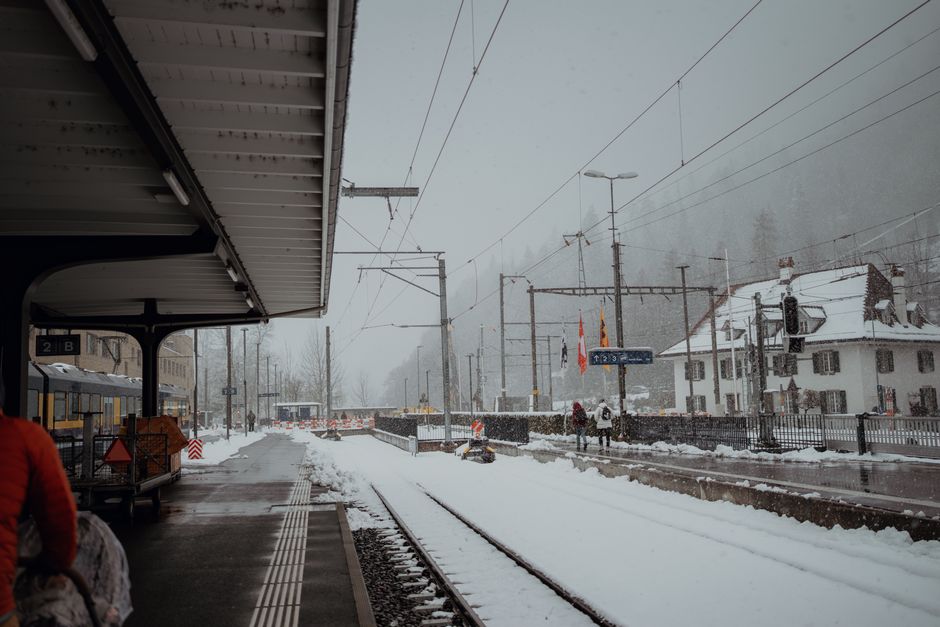
Moving near a station can be brilliant for everyday life and a bit awkward on moving day. If you are planning a move in Swiss Cottage, the difference between a calm handover and a stressful scramble often comes down to station access tips for Swiss Cottage removals. Not the glamorous part of moving, granted, but the part that saves time, avoids parking headaches, and keeps everyone safer when the van arrives and the boxes start coming out.
Swiss Cottage has its own rhythm: busy roads, peak-time footfall, tight kerbs, and the kind of access issues that only become obvious when a sofa is halfway through a doorway. In this guide, you will get a practical, human explanation of how to plan around station access, what to check before moving day, and how to reduce delays without making the day feel like a military operation. Let's face it, moving is already enough of a faff.
- Why station access matters
- How station access planning works
- Key benefits and practical advantages
- Who this is for
- Step-by-step guidance
- Expert tips
- Common mistakes to avoid
- Tools, resources and recommendations
- Law, compliance and best practice
- Options and comparison table
- Case study example
- Practical checklist
- Conclusion
- Frequently asked questions
Why Station access tips for Swiss Cottage removals Matters
Station access is more than just "can the van get near the door?" It affects the whole shape of the move. Around Swiss Cottage, the station area can mean busy pavements, passing buses, delivery traffic, narrow waiting space, and people moving quickly in and out of the area. That matters because removals are time-sensitive. A few wasted minutes can turn into a longer job, more manual lifting, and more chance of something getting clipped, scuffed, or dropped.
For home moves, station access can determine whether a removal van can stop close enough for efficient loading. For office relocations, it can affect lift access, team coordination, and how long corridors stay clear. For flat moves, it often dictates whether a mover needs a small vehicle, a bigger vehicle parked further away, or a shuttle-style approach with a second trip. In other words, access is not a side note. It is the moving plan.
Expert summary: if you sort access early, the rest of the day usually feels easier. If you leave it to chance, everything starts to cost you time somewhere else.
There is also a customer-experience angle. Good access planning helps removal teams work safely and efficiently, which reflects well on both the move itself and the service behind it. If you want to understand the wider service standards that support this approach, it can help to review the company's health and safety policy and insurance and safety information before booking.
How Station access tips for Swiss Cottage removals Works
The basic idea is simple: you map the access route before move day, identify where the vehicle can stop, and make sure the removal team knows the practical limits of the location. In Swiss Cottage, that often means thinking in layers. First the street. Then the building entrance. Then the internal route from front door to lift, stairs, or storage area. Then the final unloading point. Miss one layer and you can still end up improvising at the kerbside, which is not ideal when you have a wardrobe and a narrow doorway staring at each other.
A good access plan usually covers:
- where the removal van can legally and safely stop
- how far the carry distance is from vehicle to entrance
- whether the station area is busiest at your chosen time
- if there are steps, lifts, ramps, or tight corners
- whether large items need dismantling first
- how long loading and unloading is likely to take
For larger households or business moves, it is often worth comparing vehicle options. A smaller vehicle can sometimes be easier near busy station streets, while a larger removal van or moving van may suit a fuller load if access is straightforward. If the job is more complex, a broader removal services approach may be more suitable than trying to force everything into one quick trip.
In practice, the process is a mix of planning, communication, and realistic timing. A good mover will ask practical questions: Can the van get close? Are there time restrictions? Is the station frontage busy? Are there permits or loading bays nearby? You want those questions. They are a good sign, not a nuisance.
Key Benefits and Practical Advantages
When station access is well planned, the move tends to feel calmer and more controlled. That sounds obvious, but you notice the difference quickly. Boxes come out in a steady flow. The team is not walking long distances with heavy items. The property entrance stays clearer. And the people involved are less frazzled by the end of the day.
- Less wasted time: shorter carry distances mean quicker loading and unloading.
- Lower handling risk: fewer long walks reduce the chance of knocks and drops.
- Better scheduling: the team can predict how long the move will actually take.
- Improved safety: fewer rushed lifts and fewer awkward manoeuvres near traffic.
- Smoother customer experience: less waiting, less frustration, fewer surprises.
There is a commercial upside too. If you are moving an office or shop near the station, access planning can protect opening hours, minimise disruption, and keep staff out of the way. In those cases, a service such as office removals or commercial moves may need a more structured timetable, especially if the premises sit on a busy route.
To be fair, one of the biggest benefits is peace of mind. You are no longer wondering, "Will the van fit?" or "Where will we park?" because those questions were answered before the first box was lifted.
Who This Is For and When It Makes Sense
Station access planning matters for a wider group than many people expect. It is not just for big removals or luxury flats with awkward entrances. It is for anyone whose property sits close to a transport hub, main road, or busy pedestrian flow. Around Swiss Cottage, that can include renters, homeowners, landlords, office managers, and anyone moving from a flat above ground floor level.
It makes particular sense if you are:
- moving in or out of a flat near the station
- dealing with limited on-street stopping space
- moving at a busy time of day
- relocating fragile or bulky items
- arranging a same-day turnaround between properties
- coordinating a move for tenants, staff, or family members
If you are moving a single room or a smaller load, a man and van style service may be enough, but even then access still matters. A man and van or man with a van setup can be very efficient when space is tight, provided the stopping point and carrying route are realistic. For bigger properties, homeowners often benefit from speaking to house movers or a more complete house removals service.
And if you are simply trying to compare options, that is completely normal. A lot of people start by looking for removals near me and then work backwards from access, vehicle size, and timing rather than price alone.
Step-by-Step Guidance
If you want station access to go smoothly, do not treat it as a last-minute detail. The most reliable moves follow a simple pattern. Not exciting, maybe, but it works.
- Check the exact address layout. Note whether the building faces the station side, side street, or a narrow residential turn. Look for steps, gates, coded entrances, or shared hallways.
- Measure the practical carry route. Count the distance from the vehicle stopping point to the door. If you can, time a walk carrying nothing. It gives you a rough feel for the job.
- Identify likely obstructions. Think about parked cars, loading activity, bins, rail passengers, delivery bikes, and low railings that can snag larger items.
- Decide the best time window. Early morning can be easier than later in the day, though that depends on your block and local flow. Around stations, timing really matters.
- Choose the right vehicle. A larger lorry is not always better. Sometimes a smaller, more manoeuvrable vehicle is the smarter choice near a station access point.
- Tell the removal team what they need to know. Stairs, lifts, item dimensions, fragile pieces, and any entry rules should be shared early.
- Prepare the property. Clear hallways, protect floors if needed, and keep a path open from the door to the load point.
- Confirm the unloading plan too. Access at the destination matters just as much. People often forget that bit. Truth be told, that is where the day gets messy if overlooked.
If the move involves packing, it can help to book packing and unpacking services so that loading is more organised and the team can work faster once access is available.
Expert Tips for Better Results
The best access plans are usually simple, specific, and shared with everyone who needs them. No drama. No overengineering. Just clear information and a sensible backup option.
1. Build in a buffer, not a fantasy timetable
It is tempting to assume everything will go to plan. Usually it does not, at least not perfectly. Add a little buffer for door delays, traffic, or the extra five minutes needed when a wardrobe does not want to make the corner.
2. Think about the return journey
Most people focus on the outbound load. But unloading at the other end can be just as tricky if the destination is near another busy street or station approach. Plan both ends together. It saves a headache later.
3. Break down bulky furniture early
Bed frames, tables, and some wardrobes are much easier to handle when dismantled before the van arrives. This is especially useful when access is tight or the route includes stairs. The fewer awkward angles, the better.
4. Keep a "first in, last out" box separate
A small bag or box with keys, water, chargers, tea bags, and the obvious essentials should stay close to hand. It sounds minor, but on a moving morning that one box becomes a hero.
5. Don't assume the shortest route is the best route
Sometimes the closest stopping point creates more trouble than a slightly longer one with better visibility and easier manoeuvring. A sensible driver or mover will weigh both. That kind of judgement matters.
If you are comparing providers, it can also help to review their broader working standards, such as the company's about us page, terms and conditions, and payment and security information. Those pages often tell you a lot about how organised the operation really is.
Common Mistakes to Avoid
Most access problems are avoidable. They are usually caused by rushing, guessing, or assuming the same plan will work for both properties. It sounds harsh, but it is usually the little assumptions that cause the biggest mess.
- Leaving parking or stopping arrangements to the day itself. This is the classic one. If the van cannot stop near enough, everything slows down.
- Forgetting to mention stairs or lift limits. A mover cannot plan properly if they only learn about the third-floor walk-up on arrival.
- Ignoring the station crowd pattern. A quiet street at 7am can feel very different at 9am.
- Choosing a vehicle that is too large for the road layout. Bigger is not always better.
- Not checking the final destination. The second property can be the trickier one.
- Failing to protect entrances and shared areas. Hallways and door frames take the brunt of rushed moves.
One common problem, especially with flats near transport links, is underestimating how much a long carry affects the day. A 30-metre carry does not sound like much. Then you do it twenty times. On a wet morning, with the smell of rain on the pavement and a box that slips just a little, you notice every metre. Quite suddenly.
Tools, Resources and Recommendations
You do not need fancy equipment to handle station access well, but a few practical tools make a genuine difference. The right kit reduces strain, speeds up loading, and protects both furniture and building surfaces.
| Tool or resource | Why it helps | Best used for |
|---|---|---|
| Furniture blankets | Helps reduce scratches and knocks during tight manoeuvres | Large items, sharp corners, delicate finishes |
| Trolley or sack truck | Makes heavier items easier to move over short distances | Box stacks, appliances, office equipment |
| Floor protection | Useful where entrances or hallways are shared | Flats, offices, common areas |
| Labels and colour codes | Speeds up room placement and reduces confusion | Family homes, office moves, multi-drop moves |
| Clear access notes | Helps the team plan the route before arrival | Any move near a station or busy road |
For larger or more specialised moves, the right service matters too. A removal company can advise on access strategy, while movers with local experience tend to recognise the practical quirks of station-adjacent streets faster. If you need a vehicle-only option, removal truck hire or a removal van may fit the plan better.
Some people like to compare styles of service before deciding. That is sensible. A full-team move, a van-and-driver setup, or a lighter man with van removal solution each has its place. There is no one-size-fits-all answer, despite what the marketing blurbs sometimes imply.
Law, Compliance, Standards, or Best Practice
For most household moves, station access planning is mainly about safety, efficiency, and courtesy. But there are still important best-practice considerations. If a vehicle needs to stop on a public road, parking and loading must be handled carefully and in line with local conditions. If you are moving near a station, it is wise to check whether there are restrictions, loading bay rules, or time windows that affect access. The exact requirements can vary by location, so it is better to confirm details in advance rather than assume.
From a practical standpoint, a responsible mover should think about:
- safe lifting and carrying techniques
- clear walkways and safe vehicle positioning
- protecting common areas and door frames
- appropriate insurance cover for the type of work being done
- keeping the move organised so people are not rushing in traffic or crowded spaces
For business customers, especially office moves, there may be extra duty-of-care expectations around staff safety and business continuity. If you are organising a relocation, it helps to review a provider's office relocation services and any relevant safety information before setting dates.
Best practice is usually straightforward: plan the access route, share the constraints, and work with a team that does not treat the kerbside like an afterthought. That alone avoids a surprising number of problems.
Options, Methods, or Comparison Table
Depending on where you are moving from and how close the station access point is, different approaches can make sense. Here is a simple comparison to help you weigh the options.
| Method | Best for | Pros | Trade-offs |
|---|---|---|---|
| Full removals team | Medium to large home or office moves | Efficient, organised, less lifting for you | Usually the most involved option |
| Man and van | Smaller loads, single-room moves, lighter access challenges | Flexible, usually quicker to arrange | May need careful packing and staging |
| Removal van with driver support | Moves that need a compact vehicle and practical handling | Good balance of space and manoeuvrability | Less suitable for very large inventories |
| Truck-based move | Large inventories with straightforward access | Handles bigger volumes in fewer trips | Can be awkward around tight station streets |
If you are unsure which method suits your access point, it often helps to compare the size of the load with the real-world stopping space rather than the ideal one. In some Swiss Cottage streets, the smarter choice is not the largest vehicle you can book, but the one that can actually work on the ground. Basic, yes. Effective, absolutely.
Case Study or Real-World Example
Picture a typical weekday move near Swiss Cottage station. A couple is leaving a second-floor flat with a lift that is technically available, but a bit narrow, and a few awkward bends in the hallway. They also have a dining table, a mattress, and more boxes than they expected because, well, everyone underestimates boxes. The first instinct is to book the biggest vehicle possible and hope for the best.
Instead, the better approach is to slow down and plan access. The removal team checks the loading point, notes that the nearest stopping space is limited, and decides on a vehicle size that can sit safely without blocking too much. The bulky dining table is dismantled in advance. The most fragile items are packed separately. A clear route is kept open in the hallway. Loading takes a little longer than the couple first imagined, but the move stays controlled and nobody is trying to squeeze a sofa through a bad angle at the last minute.
That sort of move rarely feels dramatic, which is exactly the point. The best moves are usually the ones that feel almost boring while they are happening. No panic. No shouting in the stairwell. Just steady progress and a lot less stress than expected.
Practical Checklist
Use this checklist a day or two before the move. If you can tick most of these off, you are in much better shape.
- Confirm the full moving address and exact entrance point
- Check where the vehicle can stop near the station or property
- Note any time restrictions, loading limits, or access rules
- Measure large furniture and doorways
- Tell the mover about stairs, lifts, and tight corners
- Set aside essentials for the first night
- Keep hallways, stairs, and the entrance clear
- Protect shared surfaces where needed
- Share the destination access details as well
- Keep contact numbers ready on the day
- Review the mover's safety and service information in advance
Quick reminder: if you are still comparing providers, it is sensible to look at pricing and quotes alongside practical access planning. Price matters, of course, but the cheapest option is not always the easiest once the van turns up.
Get a free quote today and see how much you can save.
Conclusion
Station access tips for Swiss Cottage removals are really about making the move work in the real world, not the ideal one. If you know where the vehicle can stop, how the building flows, and what the access pinch points are, you give yourself a much better chance of a smooth day. That applies whether you are moving a flat, a family home, or an office that needs to keep disruption to a minimum.
The biggest lesson is simple: plan access early, share the awkward details, and choose the moving setup that fits the street rather than fighting it. That is how you keep stress down, protect your belongings, and make the whole day feel manageable. And honestly, that little bit of preparation can make all the difference.
If you are ready to take the next step, speak to a trusted local team that understands access, timing, and safety in equal measure. A well-planned move near Swiss Cottage station can be neat, efficient, and far less stressful than you think. One careful plan, one steady start, and the rest usually follows.
Frequently Asked Questions
What are the most important station access tips for Swiss Cottage removals?
The most important tips are to check where the van can stop, measure the carry distance, note any stairs or lifts, and share all access details with your mover before the day.
Why does station access matter so much on moving day?
Because even a short delay at the kerbside can slow the whole move down. Around a station area, traffic, pedestrians, and parking limits can quickly affect loading and unloading.
Should I book a larger van if I am moving near Swiss Cottage station?
Not always. A larger vehicle is useful only if the street can handle it safely. In some cases, a smaller and more manoeuvrable van is the better choice.
How far in advance should I plan access for a removals job?
As early as possible. Ideally, you should think about access when you first book the move, not the night before. That gives time to solve parking or entry problems.
Do I need to mention stairs and lifts even if they seem obvious?
Yes. What feels obvious to you may not be obvious to the mover. Details like lift size, stair bends, and narrow landings can change the whole handling plan.
Is a man and van service suitable for station-side moves?
It can be, especially for smaller loads or lighter access challenges. For example, a man and van removals option may work well if the load is modest and the access route is manageable.
What should I do if there is nowhere obvious for the van to stop?
Raise it early with the mover. They may suggest a different vehicle size, a different time slot, or a safer loading point a little further away.
Do office moves near the station need different planning?
Usually yes. Office moves often involve more equipment, stricter timing, and extra care around staff and building access. A structured service such as office removals can help.
What if my building has a narrow entrance or shared hallway?
Tell the mover in advance and keep the route clear. Shared hallways should be protected where possible, and bulky items may need to be dismantled before moving.
Are there any safety considerations around busy station areas?
Yes. You need to think about pedestrians, traffic, manual handling, and clear access routes. Good movers should work in a way that keeps both people and property safe.
How can I compare removals options sensibly?
Compare not only price but also access fit, vehicle size, service scope, and how well the company understands local conditions. Sometimes the right fit saves more time than a cheaper quote.
Where should I start if I am not sure what kind of move I need?
Start with the property access details and the size of the load. Then look at service options such as removals, home moves, or removal companies to see what fits best.